
1. Origin & Growing Region
Oolong GABA is processed using a special anaerobic fermentation method, helping to naturally increase Gamma-Aminobutyric Acid (GABA) – a precious compound that supports sedation, relaxation and blood sugar regulation. Tea is grown in Bao Loc plateau, Lam Dong, at an altitude of 900-1,000m, where the climate is mild, foggy all year round and basalt soil is rich in minerals, creating conditions for thick, shiny and nutrient-rich tea leaves.
2. Harvesting
The best time is from the Summer Solstice to the Minor Cold, when the temperature and humidity are stable. The leaves are hand-picked according to the standard of “1 bud for 3-4 leaves”, choosing plump, healthy, and uniform buds, ensuring the intact aroma and nutrients.
3. Oolong production process
Harvesting → Withering → Anaerobic fermentation in an airtight environment (many hours, temperature and humidity control) → Low-heat dry-stirring → Shaping → Finished drying.
The anaerobic method helps increase natural GABA production, preserves nutritional value without chemical catalysts, and creates a characteristic mild aroma.
4. Taste & Feel
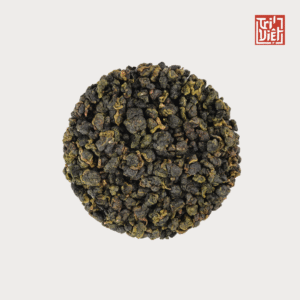
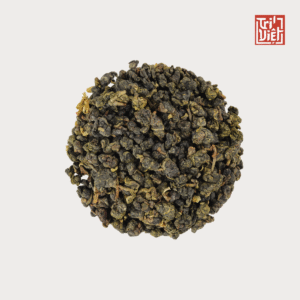
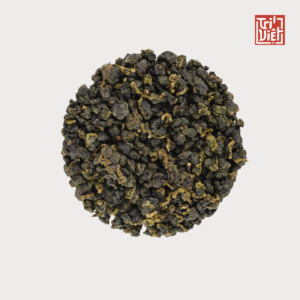
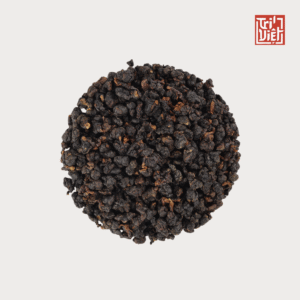
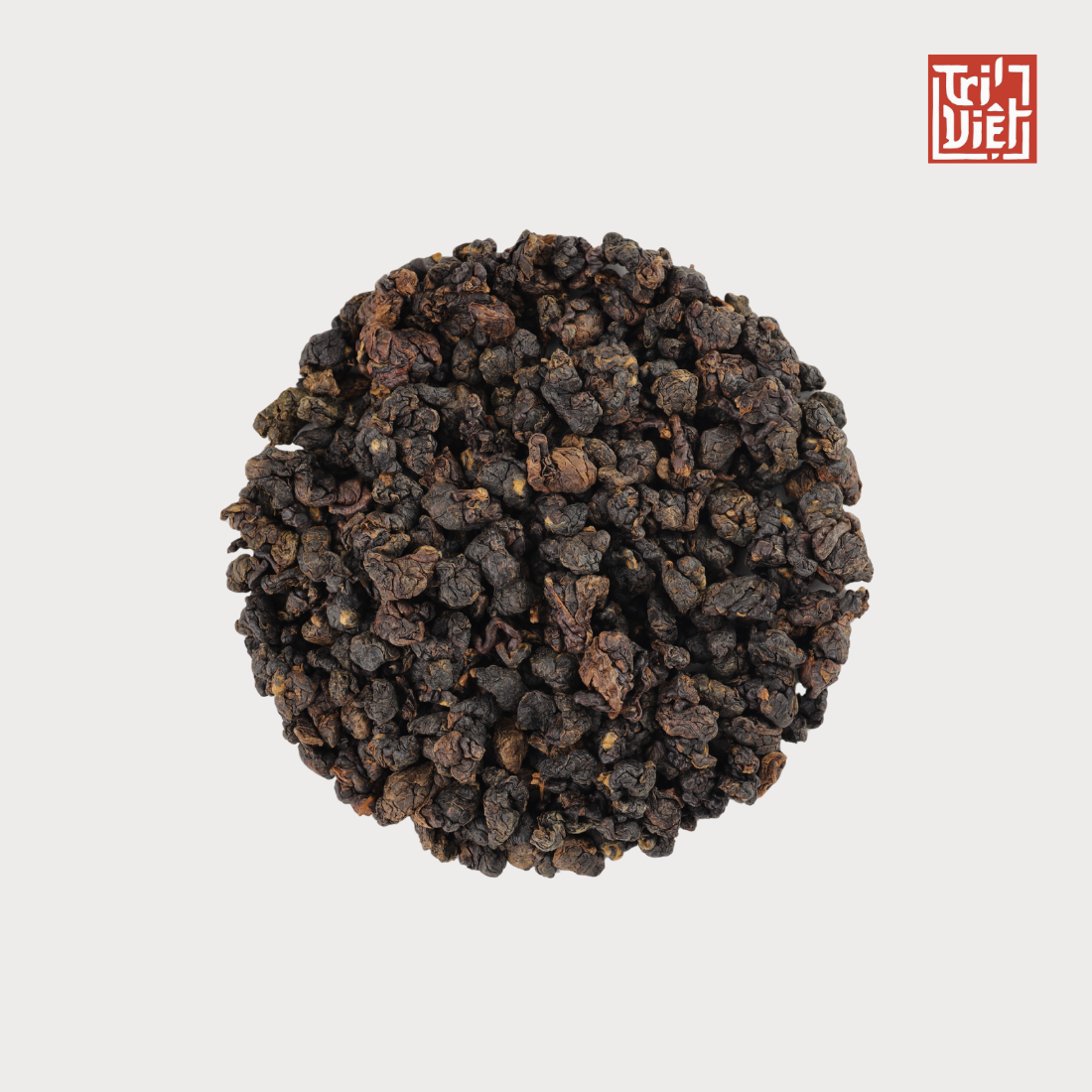
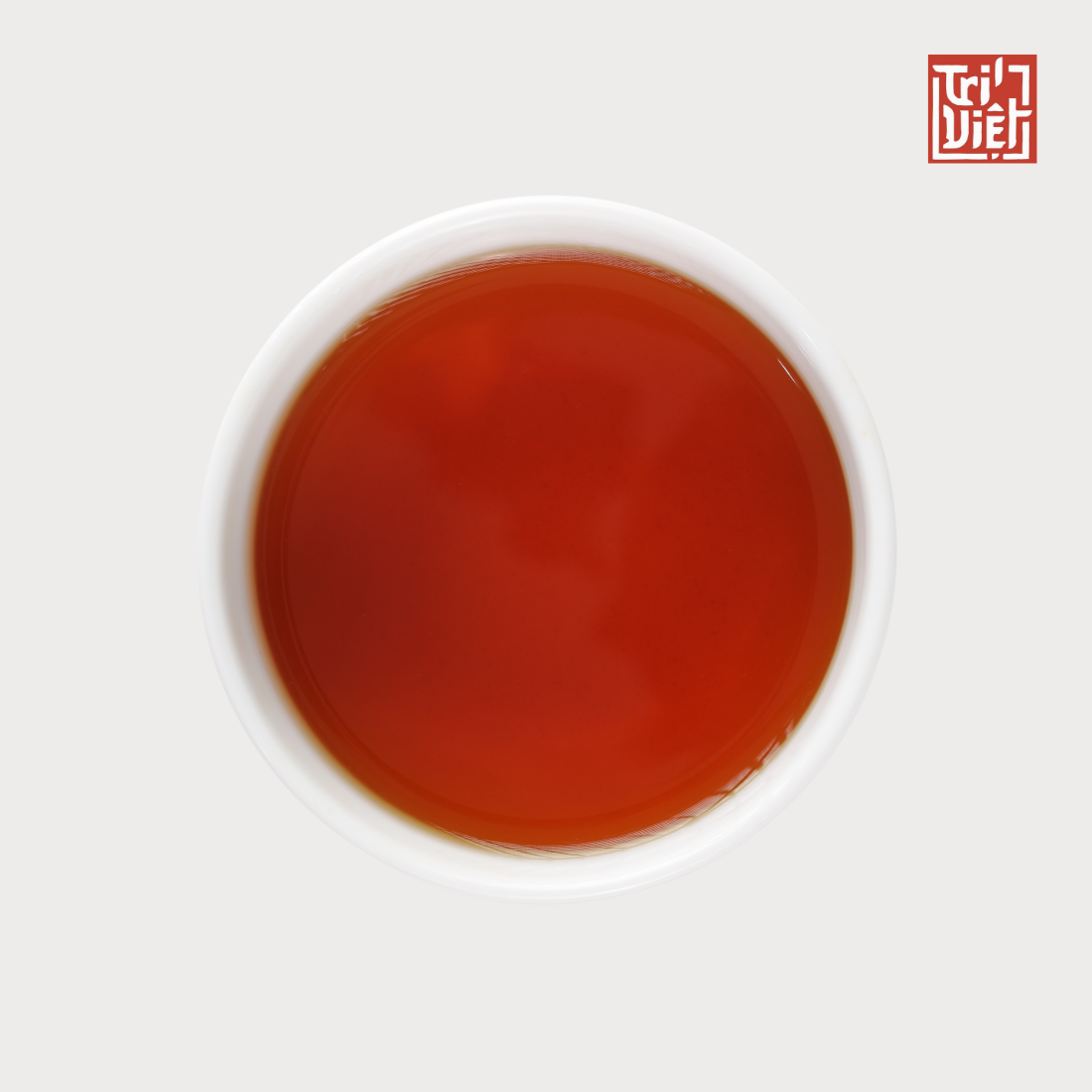
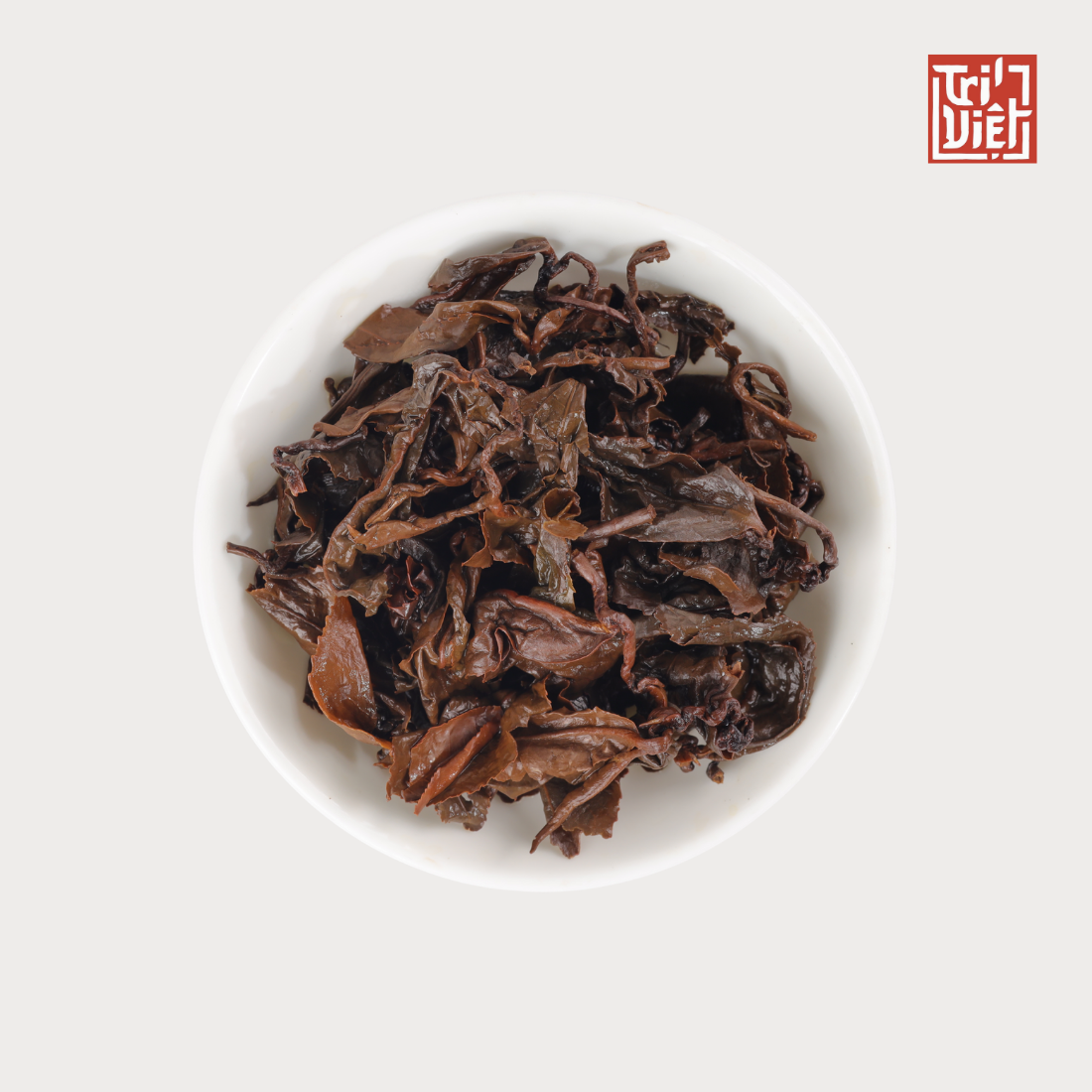
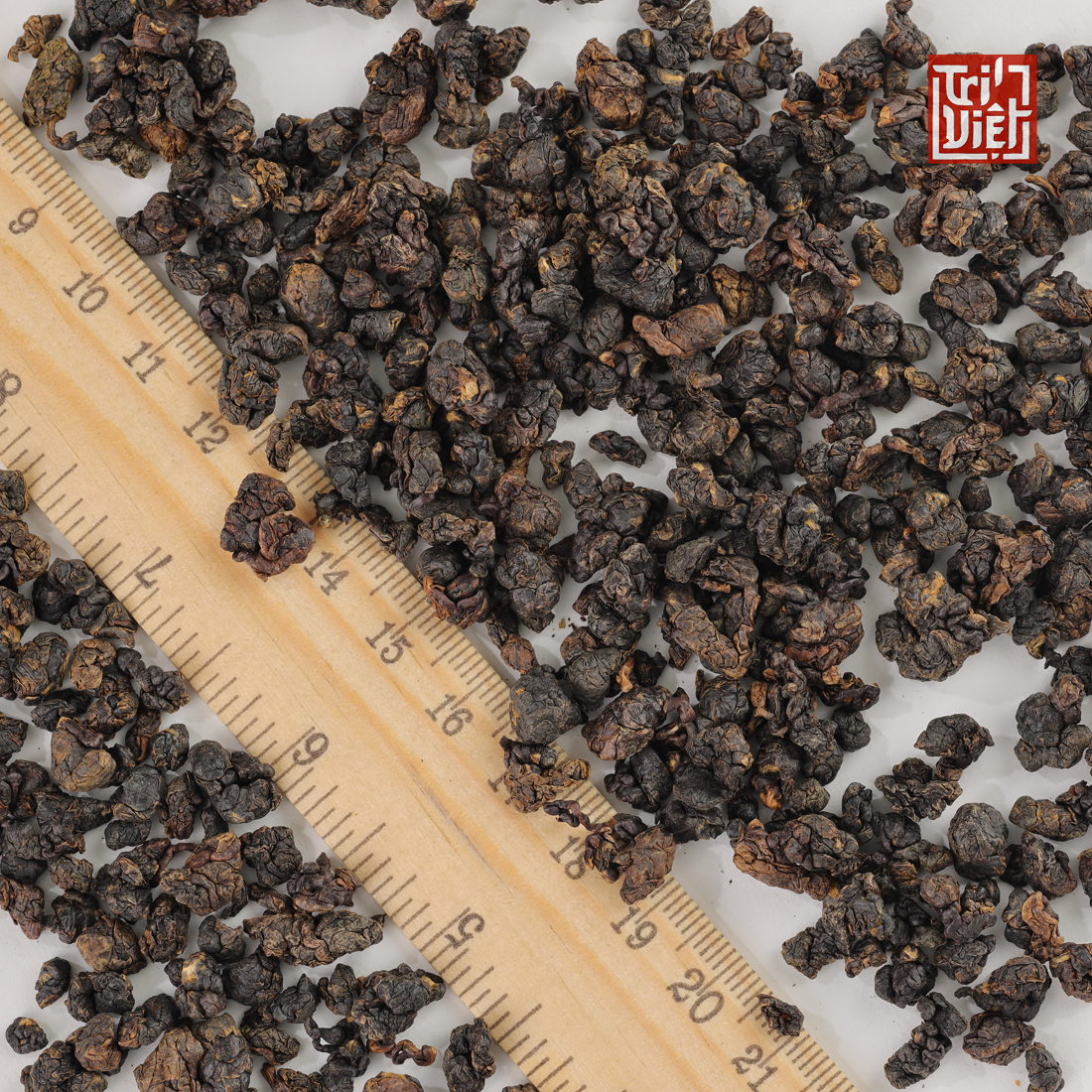
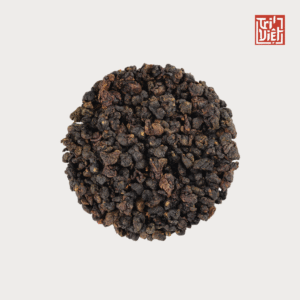
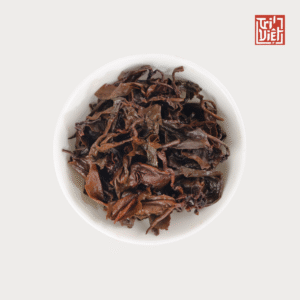
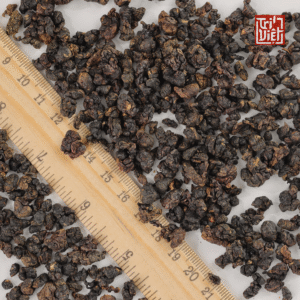
The dried tea is rolled into firm balls, with a dark amber brown color. The tea water is amber-red, clear, shimmering like the sunset. The light, sweet aroma of ripe fruit, mixed with a bit of agarwood and wild honey. The initial taste is mild, the aftertaste is long and sweet, full-bodied but not harsh. Brewed many times, it still retains its calm character, very suitable for drinking in the evening or when you need to relax after a day of mental work.
5. How to mix
Tea quantity: 8–10g/150ml water
Temperature: 90–95℃
Rinse tea: 5 seconds to awaken the aroma
1st hold: 40–50 seconds, subsequent holds increase by 10 seconds
Tools: Purple clay teapot or porcelain teapot
6. Storage
Protect from light, moisture, and odors. Store tightly closed in a tin or ceramic jar. Best within 6–10 months of opening; unopened can retain flavor longer due to post-oxidation properties.