

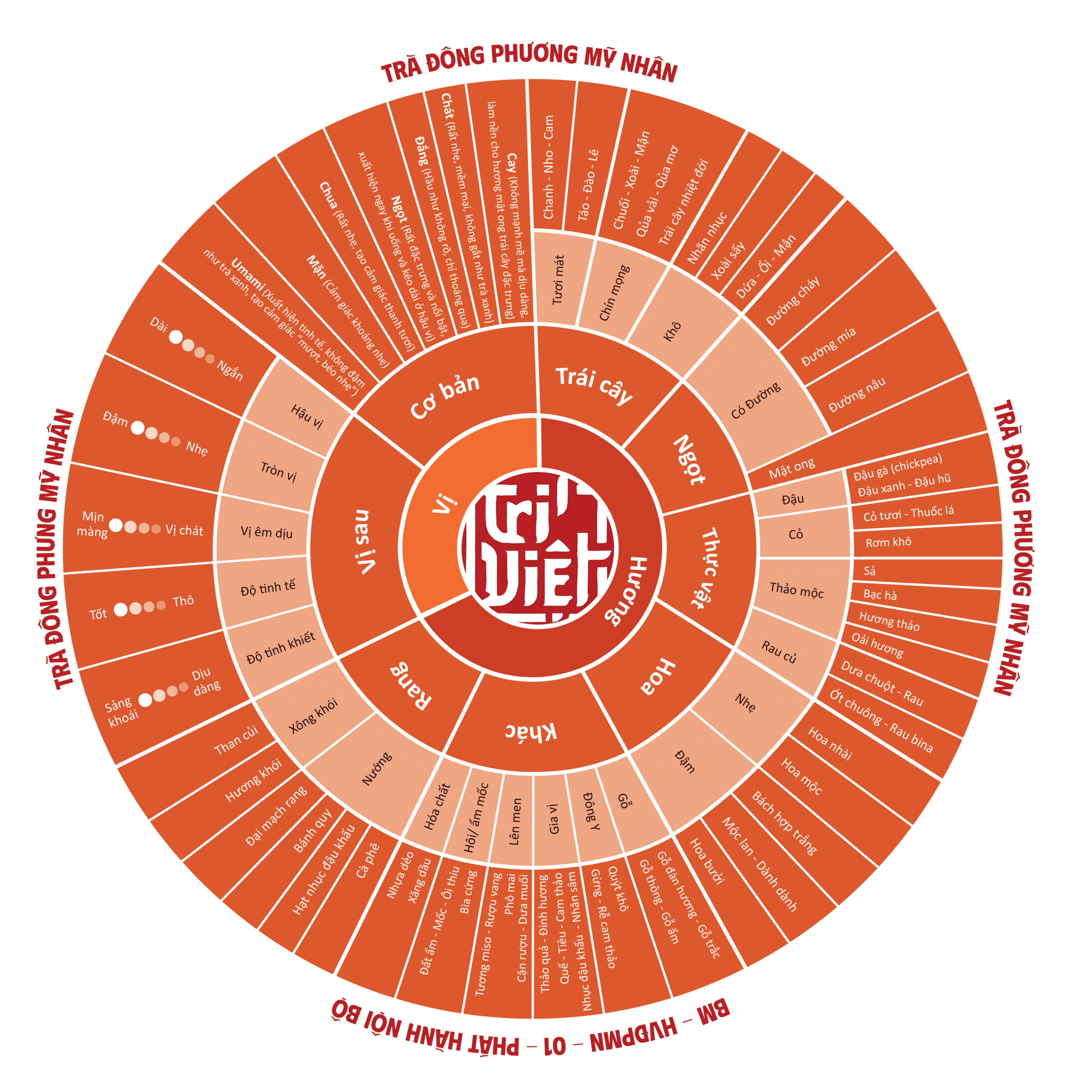
Each analysis of Oriental Beauty Tea captures a moment carved between nature and the artistry of tea-making. The Oriental Beauty Flavor Wheel is an “emotional language” that allows tea drinkers, brewers, and product developers to articulate the distinctive sensory layers of this exquisite tea. It is a specialized tool that identifies subtle, often indescribable, nuances in aroma and taste.
1. The Oriental Beauty Flavor Wheel
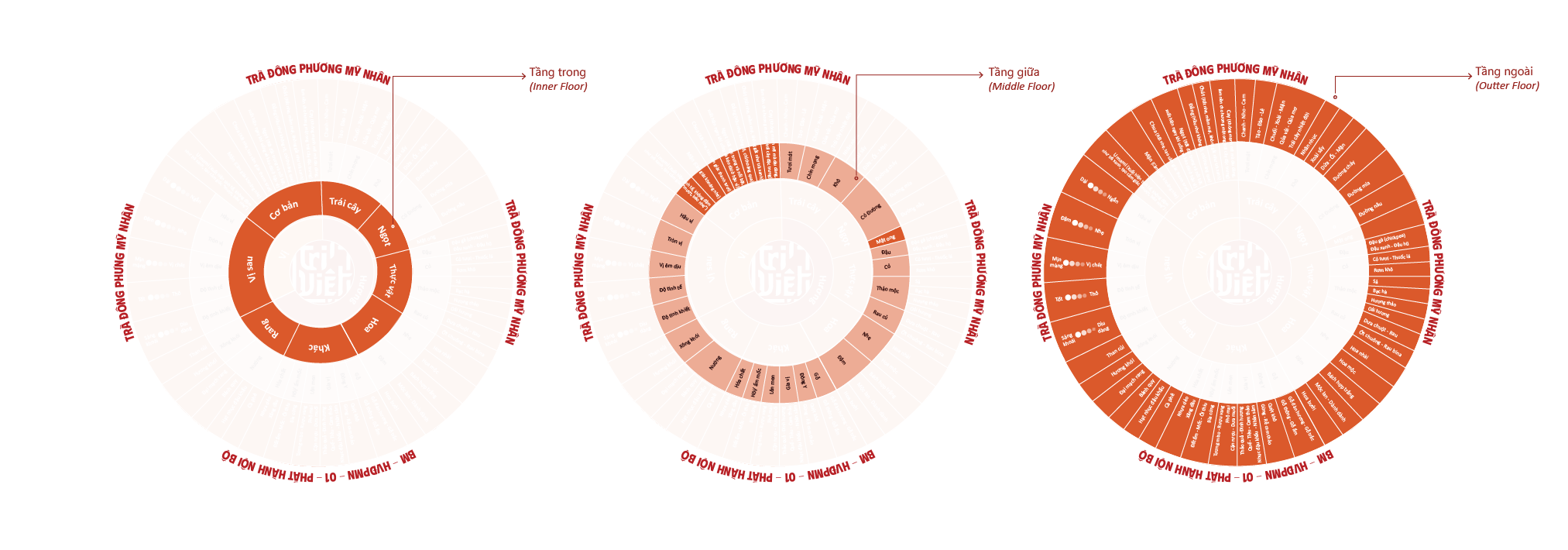
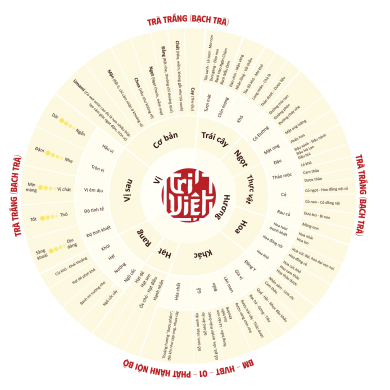
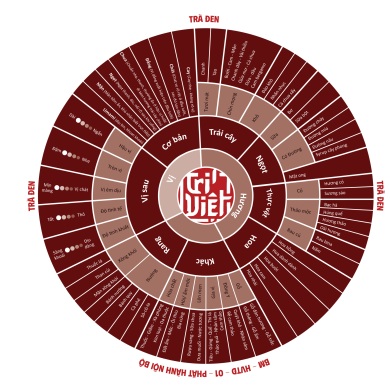
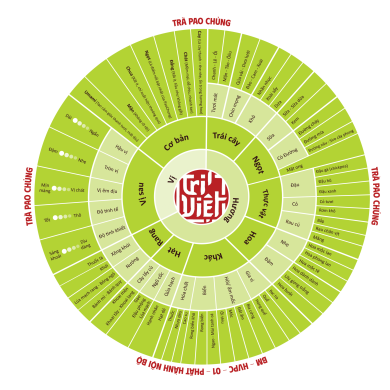
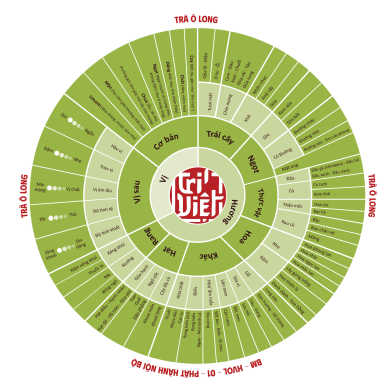
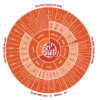
The flavor wheel represents the common aromatic spectrum of Oriental Beauty Tea, structured in three layers:
-
Inner layer: Major aroma groups (Basic, Fruity, Sweet, Vegetal, Floral, Other, Roasted, Aftertaste).
-
Middle layer: More specific subcategories (Aftertaste, Citrus, Nutty, Herbal, Chamomile, etc.).
-
Outer layer: Detailed aroma notes (Honey, Raisin, Jasmine, Caramel, Light Smoke…).
2. Principles for Using the Wheel
▫️Read from the center outward: From main aroma group → subcategory → detailed note.
▫️Perceive in stages: From dry leaves → when steeped with hot water → during tasting.
▫️By mouthfeel: Observe body (light, round, full) and aftertaste (sweet, clean, long).
▫️Describe precisely: Don’t just say “fragrant.” Instead, say “the tea has a honey aroma, a gentle taste, and a long, sweet finish.”
The wheel helps train one’s sensory analysis and discover the tea style that truly fits their personal preference.
3. Main Aroma Groups in Oriental Beauty Tea
🍃 Fruity Notes
Bright and lively, with hints of orange, mango, raisin, ripe plum, and tropical fruits that evoke the vibrance of summer — bringing freshness and vitality to every cup.
🍃 Sweet Notes
Honey, brown sugar, caramel, and milk chocolate create a soft, rounded sweetness — one of the hallmarks of high-quality teas that feel warm and comforting.
🍃 Vegetal Notes
Reflecting natural purity: green bean, fresh grass, young leaves, and dried straw. These notes moderate the profile, creating balance and a refreshing natural touch.
🍃 Floral Notes
Jasmine, orange blossom, chrysanthemum, and orchid — delivering lightness and elegance. Floral tones often appear more distinctly when the tea cools or is brewed at moderate temperatures.
🍃 Processing-Derived Notes
Malt, roasted nuts, gentle smoke, and spices like cinnamon. These are key to creating the depth, warmth, and personality that define Oriental Beauty Tea.
4. Taste and Aftertaste
🔸 Basic Taste:
▫️Sweet and mild, with gentle astringency and a subtle spicy brightness.
▫️Full-bodied brews: Round mouthfeel and deep finish.
▫️Light brews: Bright, refreshing, and approachable.
🔸 Aftertaste:
Long, delicate, and refreshing. A tea with a pure, lingering aftertaste is a clear sign of high quality.
5. Flavor Intensity by Tasting Preference
▫️Light level: Fresh fruit, jasmine, hint of honey, gentle sweet finish.
▫️Medium level: Brown sugar, roasted nuts, honey, warm and rounded aftertaste.
▫️Rich level: Burnt caramel, dark chocolate, light smoke, thick and deep finish.
6. How to Use the Flavor Wheel When Tasting Oriental Beauty Tea
-
Smell the dry leaves: Identify first aromas — floral, sweet, grassy.
-
During steeping: Notice emerging notes — citrus, honey, faint smoke.
-
While tasting: Recognize the three stages – top, body, and finish.
-
Cross-reference: Use the wheel to find accurate descriptors and elevate your sensory appreciation.



Add comment