



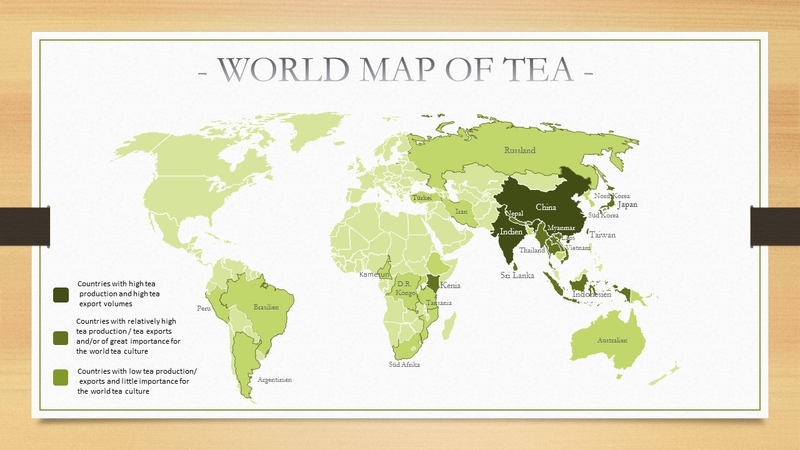
In the flow of global culture, tea is not only a drink, but also a symbol of regional identity, crystallized from soil, climate and artisans’ hands. Among the map of more than 50 tea-growing countries, the lands that have affirmed their names with iconic tea brands stand out: Darjeeling of India, Uji of Japan, Sri Lanka – the pearl island of the Indian Ocean, and Lam Dong of Vietnam.
Map of famous tea regions in the world
Darjeeling – “Champagne of Tea” Located in the Himalayas, Darjeeling is known as the “Champagne of Tea” thanks to its elegant aroma, mild astringency and characteristic sweet aftertaste. The year-round cool climate, altitude of over 2,000m and organic farming methods have created this rare tea. Darjeeling tea is not only worth enjoying, but also has great commercial value: it is exported around the world and is protected by geographical indications, elevating it to the status of “national treasure” of India.
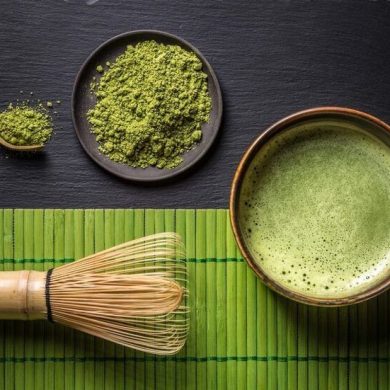
Uji – the cradle of Japanese tea ceremony Japan is famous for green tea, and Uji (in Kyoto) is the birthplace of tea ceremony. Uji tea, especially matcha, is considered the quintessence associated with the chanoyu ritual – the art of drinking tea with deep Zen philosophy. Uji tea is not only a drink, but also a cultural symbol of Japan, contributing to the national brand. In the international market, Uji matcha has very high commercial value, widely used in cuisine, beauty and medicine.
Sri Lanka – Fragrant Tea Island Formerly known as Ceylon, Sri Lanka is famous for its black tea grown in the cool highlands. Ceylon tea has a clear red color, strong aroma, rich taste, and is often favored in Europe and the Middle East. With more than half a million tons exported each year, Sri Lanka has become one of the tea powerhouses of the world. The commercial value of Ceylon tea comes not only from its output, but also from its synchronized national brand system, which helps the product to be present in dozens of major markets.
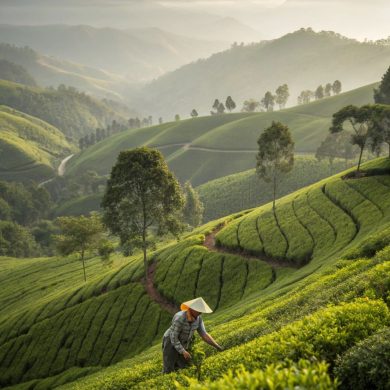
Lam Dong – the green pearl of the Vietnamese highlands If Darjeeling is the pride of India, Uji is the soul of Japan, Sri Lanka is the symbol of global trade, then Lam Dong – especially Bao Loc – is the tea capital of Vietnam. With an altitude of 800-1,000m, a temperate climate all year round and fertile basalt soil, Lam Dong has all the conditions to create premium teas: from green tea, black tea to especially Oolong tea – a type of tea associated with elaborate processing techniques.
Lam Dong tea not only meets domestic demand but also conquers demanding markets such as Taiwan, Japan, and Europe. Many businesses have built clean raw material areas, applied modern technology, and gradually raised the commercial value to be on par with major tea exporting countries. More importantly, Lam Dong is gradually affirming its position as a “meeting place” for Vietnamese tea culture – where tourists can enjoy tea and explore the beauty of the highlands.
| Region | Outstanding features | Commercial and cultural value |
| Darjeeling | Light floral aroma – sweet aftertaste, Himalayan terroir | GI protection, high-end export |
| Uji | The Soul of Tea Ceremony – Matcha – Zen Ritual | Cultural symbol, multi-industry application |
| Sri Lanka | Rich black tea, vibrant color | Large exports, strong Western markets |
| Lam Dong | Exquisite Oolong, quality highland tea | International export, Vietnamese tea brand is affirming |
Therefore, Darjeeling, Uji, Sri Lanka and Lam Dong, four names, four stories, but one thing in common: tea is not only a crop, but also a cultural heritage and national brand.
If Darjeeling stands out for its sophistication, Uji for its philosophy, Sri Lanka for its output, then Lam Dong has the mission of bringing Vietnamese tea to the world. And in the global trade flow, each cup of tea is a message.


Add comment