



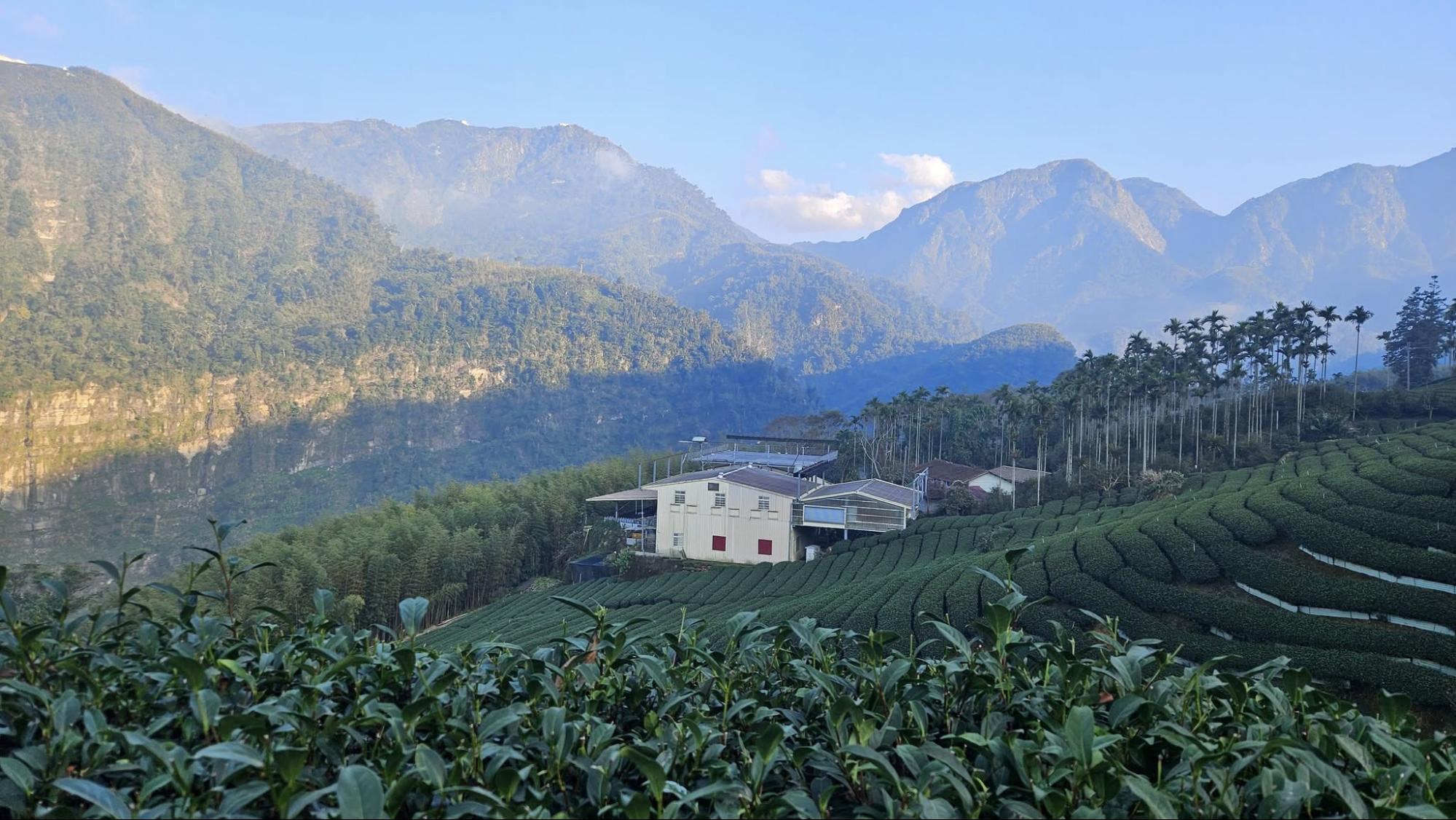
In the flow of global culture, tea is not only a drink, but also a symbol of regional identity, crystallized from soil, climate and artisans’ hands. Among the map of more than 50 tea-growing countries, the lands that have affirmed their names with iconic tea brands stand out: Darjeeling of India, Uji of Japan, Sri Lanka – the pearl island of the Indian Ocean, and Lam Dong of Vietnam.
In business, there are two ways to increase profits: optimizing costs and increasing revenue. Doing both at the same time is difficult, but it is even more difficult for tea products – the essence of cultures from ancient times to the present. But I found the solution more than 10 years ago by researching a new processing process.
Taiwanese tea regions, the most popular teas in the market. To sell more output, Vietnamese tea must produce products that meet the needs of the international market. To have higher priced Oolong products, Vietnamese tea must meet higher quality standards, which is typical of Taiwanese Oolong tea. But what to do when the quality of tea depends heavily on natural conditions: altitude, soil, climate…
If Vietnam does not have such natural conditions, can the future of the tea industry not change?
Potential for development of Vietnamese tea
It took me years of research, but 10 years ago I found the answer.
At that time, all tea companies from Taiwan to Vietnam made tea using the sun-withering method. I discovered the process of making tea without sun-withering. This processing method depends entirely on the experience of the tea maker. There is no fixed formula in the processing method, but the tea maker must have a good understanding of the soil, weather, climate… in the region at that time to be flexible.
This process of making tea that does not wither in the sun has solved two problems at the same time: reducing costs and increasing revenue. Thanks to this process, I have saved on labor costs, shortened production time and am not dependent on the rainy and sunny weather in Bao Loc.
Production costs are reduced by up to 25% compared to traditional Oolong tea processing methods.
The most important thing is that this processing helps improve the quality of the product, which is also the foundation that helps me make excellent quality products equivalent to tea from the high mountains of Taiwan later. The products after being processed according to the new process are highly appreciated by masters and the market, thanks to which the export tea output also increased significantly.
This is a creative work in my tea making career, making the product increasingly refined and soulful. For more than 10 years until now, I have continuously researched based on the original process to make products of increasingly higher quality. Most recently, the product was recognized by the masters as not inferior to the high mountain tea of Taiwan during the trip to Taiwan at the end of last year.
Some new plans are opening up for this year 2025, hoping to try every day to contribute more to the Vietnamese tea industry.
1. Tea consumption trends: from domestic to global
Consumers today value transparency and product stories more than ever. They care about details about the land of origin, tea variety, production methods and flavor. When companies disclose this information clearly, tea products not only gain trust but also have the opportunity to position themselves in the premium segment.
Although Vietnamese tea exports reached nearly 1,755 USD/ton, domestic consumption, although only about 48 thousand tons, still reached a turnover of nearly 7,500 billion VND (~325 million USD), showing that the domestic market has a higher value margin—tea can be sold at a higher price when it carries a story, experience and exquisite quality.
2. Golden opportunity in the high-end segment
Vietnam has an advantage in developing premium tea lines such as highland Oolong, limited-season “single lot” tea or rare tea. This creates scarcity and uniqueness, a solid foundation for building a premium tea brand.
In particular, when shifting from the raw export model to branding and deep processing, the Vietnamese tea industry can retain most of the added value domestically, instead of letting other countries benefit.
3. Deep processing & innovation are the keys to added value
One of the outstanding innovations is the sun-freezing process. This solution can reduce production costs by up to 25% compared to the traditional process, while ensuring consistent quality all year round, regardless of the weather. This is a valuable USP for the Tri Viet Tea brand to confidently compete with imported tea from Taiwan or Japan.
In addition, development directions may include:
- Value chain from farming, processing, refining, to packaging.
- Product diversification: from ready-to-drink tea, flavored blends, functional teas to craft tea cups.
- Creative designs, artistic packaging and brands with stories add up in marketing strategies.
Bao Loc is holding many favorable resources to change this, turning “tea into gold”. During my recent trip to Taiwan, looking at their tea products and development through business and branding, I hope that my Bao Loc tea will also receive the corresponding value.






Add comment