


Each cup of tea holds a world of sensory expression.
The flavor wheel is the map that allows tea drinkers, brewers, and artisans to “speak the same language” when describing the complex aftertastes of tea.
With Roasted Oolong Tea, this wheel helps us identify and name emotional layers that were once only felt but not yet articulated precisely.
1. Decoding the Flavor Wheel
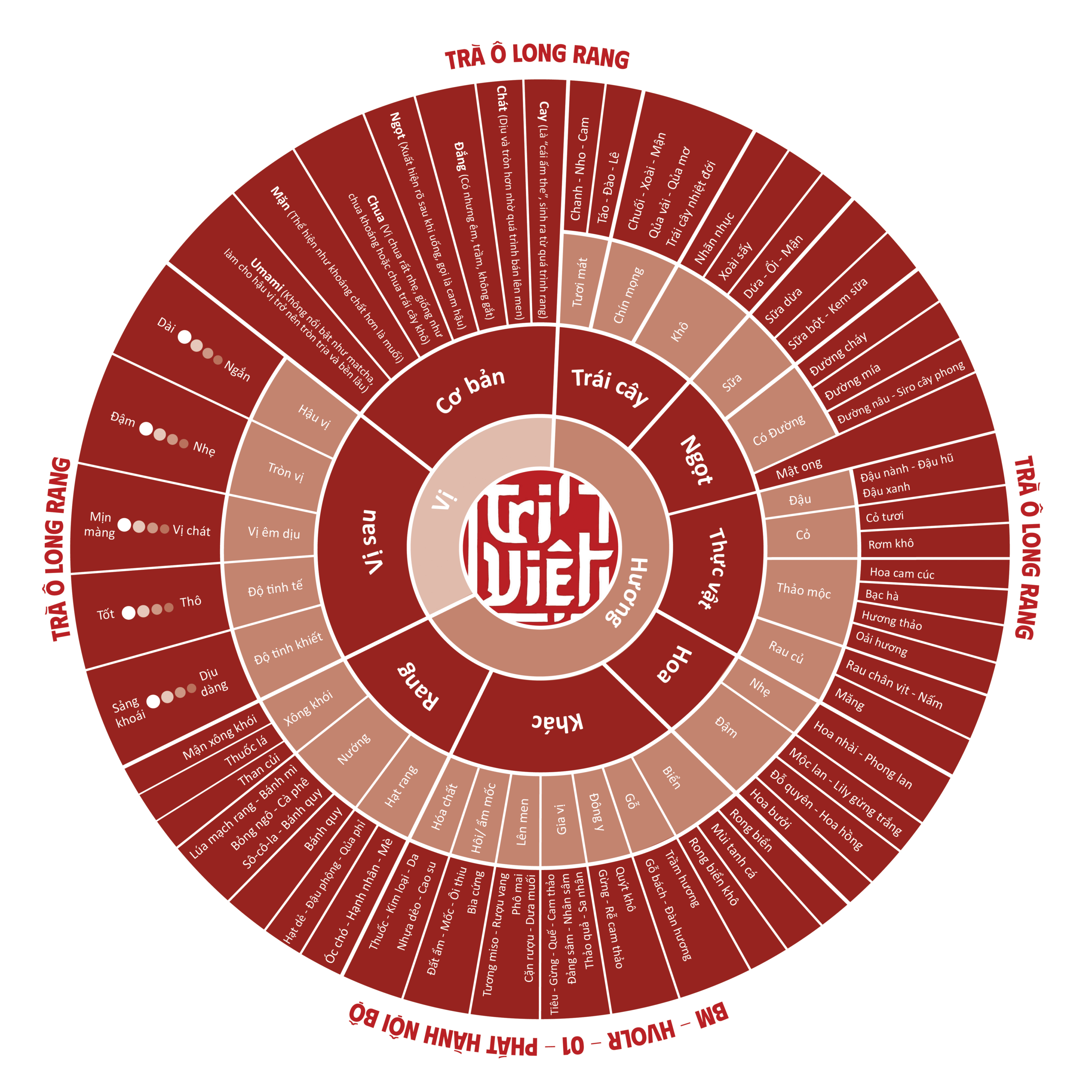
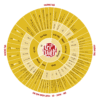
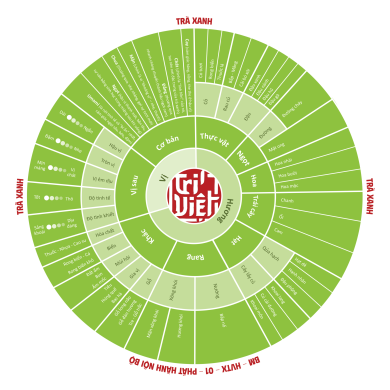
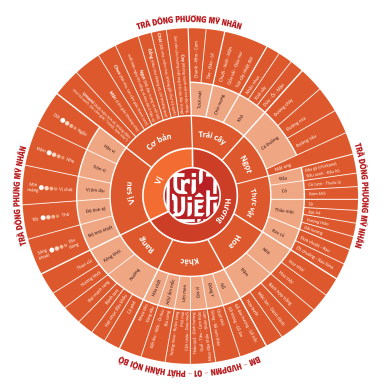
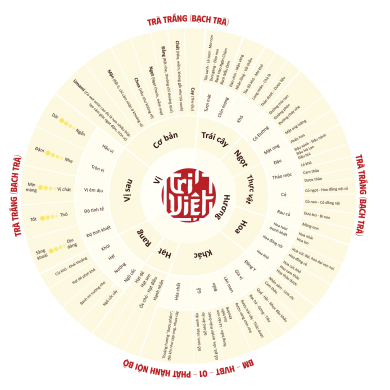
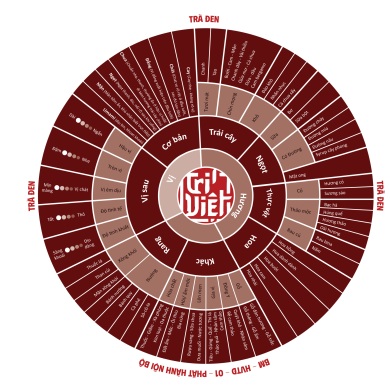
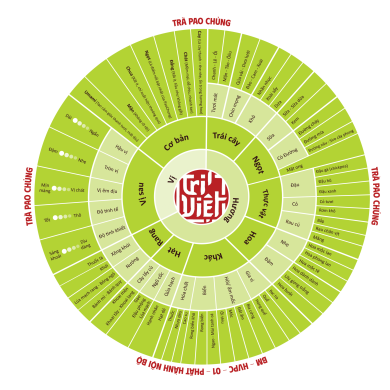
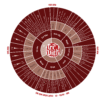
The flavor wheel is a diagram that illustrates the full spectrum of aromas and flavors a tea can possess.
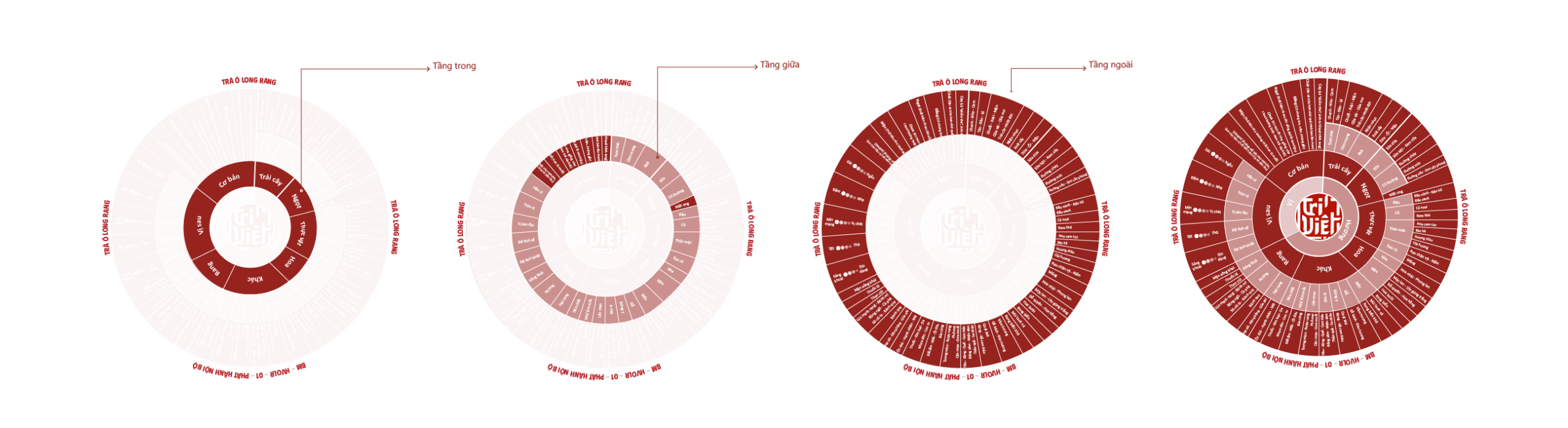
In the Roasted Oolong Flavor Wheel, aromas are organized in layers from the center outward:
-
Inner layer: Broad flavor groups (e.g. sweet, floral, fruity, vegetal, roasted, aftertaste).
-
Middle layer: More specific subgroups (e.g. milk, honey, herbs, coriander, smoke, roasted nuts).
-
Outer layer: Fine notes and details (e.g. brown sugar, milk powder, cocoa, malt).
The wheel serves as a tool to:
-
Read a cup of tea systematically.
-
Differentiate sensory levels with clarity.
-
Communicate flavor precisely within teams, with customers, or during production collaborations.
It also includes notes explaining each layer of aroma and flavor perception.
2. Principles for Reading the Wheel
-
Read from the center outward: start from major groups → subgroups → detailed notes.
-
Perceive layer by layer: dry leaves → aroma in the warm cup → aroma after infusion → taste and mouthfeel.
-
Record sensory impressions: identify the initial taste (sweet, astringent), body texture (round, thick), and aftertaste (long, bright, citrusy).
-
Use specific terms from the wheel rather than general words like “fragrant” or “strong.”
Frequent use of the wheel refines a tea professional’s sensory ability and helps tea drinkers understand why they enjoy a particular cup.
3. Main Aroma and Taste Groups in Roasted Oolong
Below are detailed explanations of five main aroma groups and two taste groups found on the Roasted Oolong flavor wheel, based on professional experience and sensory observation.
Fruit Aromas
Bright, fresh notes commonly found in lightly roasted batches and when the tea is warm.
Typical hints include lemon, orange, grape, longan, peach, pear, apricot, dried mango.
These notes bring a lively “morning sunshine” feeling to the cup.
They often indicate leaf variety, harvest season, and oxidation level before roasting.
Sweet Aromas
The warm, comforting foundation of the tea—making it approachable and reflective.
Common notes: sugar, milk, cream, honey, caramel, burnt sugar.
In lighter forms, sweetness resembles fresh milk; at deeper levels, it becomes honey, brown sugar, or caramel, creating a rich, enveloping sensation.
This group bridges the floral and roasted layers, forming a harmonious “circle” of flavor.
Vegetal Aromas
Express the natural “origin” of the tea leaf: mung bean, soybean, cooked greens, fresh grass, hay, herbs.
These notes balance the cup—keeping it fresh, clean, and grounded.
Vegetal tones often emerge as the tea cools, adding calmness and authenticity.
Floral Aromas
The soul of the tea—delicate, ethereal layers of jasmine, orchid, orange blossom, lily, chrysanthemum, osmanthus.
In Roasted Oolong, floral notes do not dominate but gently complement smoky or woody tones, adding depth and grace.
Maintaining these aromas requires precise control of roasting temperature and timing.
Other Aromatic Notes
Supporting and accentuating nuances such as light wood, cinnamon spice, musk, dried fruit, licorice, earthy or mushroom tones.
These reflect terroir, leaf maturity, and post-harvest handling.
They bring individuality and depth, allowing each batch to express its own “signature personality.”
Roasted Aromas
The hallmark of Roasted Oolong—roasted grains, malt, baked biscuits, cocoa, dark chocolate, toasted nuts.
The roasting craft defines this structure:
-
Light roast: biscuit, malt
-
Medium roast: caramel, honey, toasted grains
-
Deep roast: smoke, cocoa, dark chocolate
This layer reflects the artisan’s mastery—heat control, stirring rhythm, and timing—showcasing true craftsmanship.
Basic Tastes and Aftertaste
-
Basic tastes: sweet, bitter, sour, spicy, salty.
The balance among these creates the body of the tea—whether round, full, or hollow.Summary
The five aroma groups (Fruity, Sweet, Vegetal, Floral, Other/Roasted) combined with two taste groups (Basic Taste and Aftertaste) form a complete sensory structure for Roasted Oolong Tea.
By reading the wheel correctly,-
Tea makers can adjust roasting or blending,
-
Tea buyers can select suitable profiles,
-
Tea tasters can express their perception with accuracy.
-
4. How to Use the Flavor Wheel During Tasting
-
Smell dry leaves: identify base aromas and jot down first impressions.
-
Infuse the tea: capture vapor aromas—floral, milky, honeyed, smoky notes.
-
Taste the liquor: follow the transition from front → body → aftertaste.
-
Match to the wheel: locate corresponding aroma and taste groups for precise description.
-
Record and compare: maintain tasting logs to track batches, seasons, and roasting styles.
Consistent, systematic tasting helps you understand your own preferences and select the right teas—for your shop, your product line, or your personal collection.

Add comment